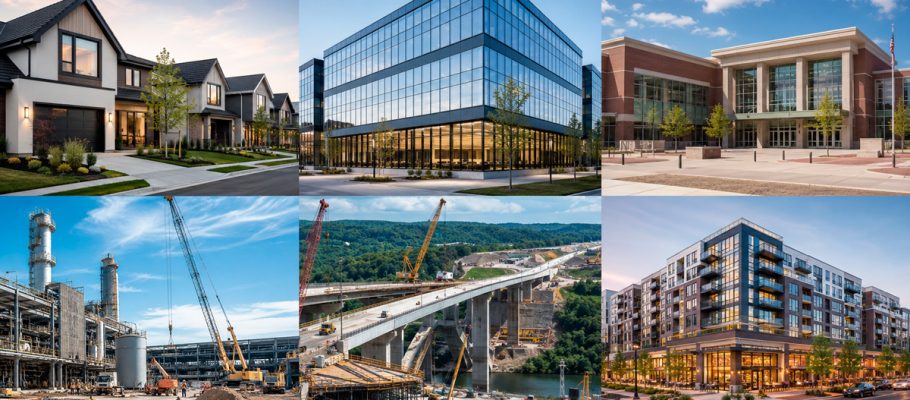
Construction projects are generally classified by their purpose and end use. The six primary categories are residential, commercial, institutional, industrial, heavy civil, and mixed-use. Heavy civil projects typically include infrastructure such as highways, bridges, airports, utilities, and water treatment facilities. Each project type has its own planning process, permitting requirements, design priorities, construction methods, and contractor expertise.
Whether you’re planning a new office building, expanding a manufacturing facility, or renovating an existing property, understanding your project’s classification is one of the first steps toward a successful build.
Every construction project starts with a goal. Maybe you’re opening a new business, replacing an aging facility, or investing in a mixed-use development. No matter the objective, identifying the correct project type helps shape everything that follows, from budgeting and scheduling to permitting and contractor selection.
As commercial contractors, we’ve seen firsthand how projects that begin with a clear understanding of their scope tend to move more smoothly through design and construction. In this guide, we’ll explain the different types of construction projects, what makes each one unique, and why choosing the right approach matters.
Key Takeaways
- Construction projects are commonly grouped into six primary categories based on their purpose and end use.
- The main project types are residential, commercial, institutional, industrial, heavy civil, and mixed-use.
- Each project type has unique design requirements, permitting processes, schedules, and construction challenges.
- Commercial construction covers many industries, including offices, retail, healthcare, hospitality, education, manufacturing, and warehouses.
- Identifying your project type early helps you choose the right construction team and avoid costly planning mistakes.
Construction Project Types Overview
| Project Type | Typical Use | Common Examples |
|---|---|---|
| Residential | Housing | Single-family homes, apartments |
| Commercial | Business | Offices, retail, hotels |
| Institutional | Public and community services | Schools, hospitals, libraries |
| Industrial | Manufacturing and logistics | Factories, warehouses, distribution centers |
| Heavy Civil | Public infrastructure | Roads, bridges, airports, water treatment plants |
| Mixed-Use | Multiple uses in one development | Retail with apartments, office and residential buildings |
Types Of Construction Projects
Construction projects are typically classified by the purpose of the finished building or facility. While every project is unique, most fall into one of six major categories that guide planning, design, permitting, and construction.
Understanding these categories makes it easier to communicate with architects, engineers, contractors, and local authorities. It also helps owners understand what level of complexity to expect before construction begins.
Some projects are relatively straightforward, like constructing a small office building. Others combine several uses into one development or involve specialized engineering, extensive permitting, and multiple regulatory agencies.
Although these categories may seem simple at first, they influence nearly every stage of the construction process, including:
- Design requirements
- Building permits
- Safety regulations
- Construction schedule
- Budget planning
- Contractor qualifications
- Long-term building operations
That’s why experienced commercial contractors begin every project by clearly defining its classification before moving into design and preconstruction.
Construction Project Types
Construction project types are commonly grouped into six primary categories: residential, commercial, institutional, industrial, heavy civil, and mixed-use. Each category serves a different purpose and has its own design requirements, permitting process, construction methods, and project challenges.
Understanding these six categories helps owners, developers, and contractors plan projects more effectively. While every project is unique, most construction work falls into one of these classifications, each with its own planning, regulatory, and construction considerations.
Residential Construction Projects
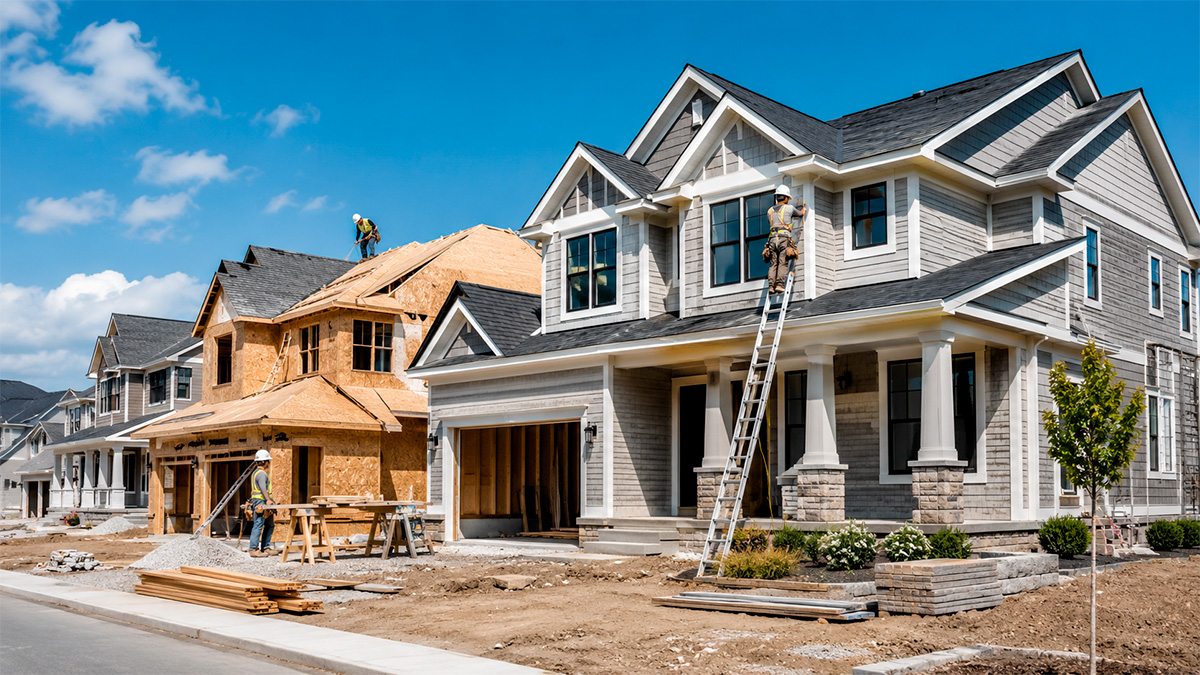
Residential construction focuses on buildings designed primarily for people to live in.
Common examples include:
- Single-family homes
- Duplexes
- Townhomes
- Apartment buildings
- Condominiums
- Senior living communities
Most residential projects follow residential building codes. Larger apartment and multifamily buildings, however, are often regulated under the same building code used for commercial buildings, depending on their configuration and the codes adopted by the local jurisdiction.
Residential construction usually emphasizes comfort, energy efficiency, aesthetics, and neighborhood compatibility.
Commercial Construction Projects
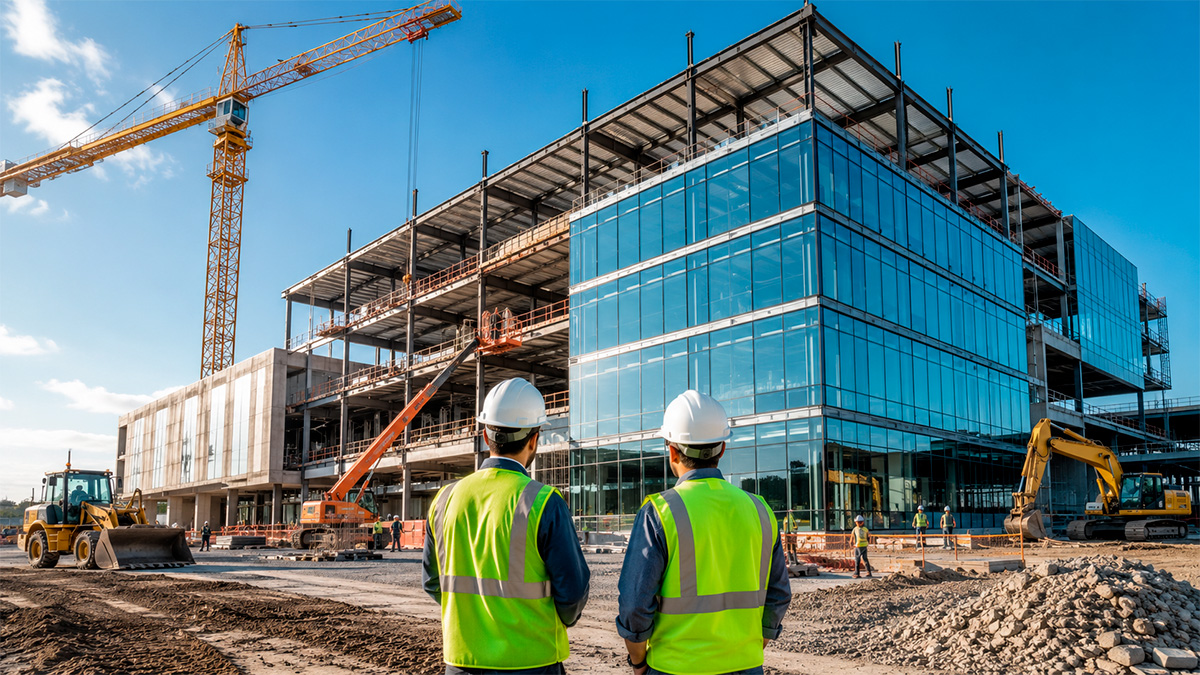
Commercial construction involves buildings used for business activities or revenue generation.
Examples include:
- Office buildings
- Shopping centers
- Retail stores
- Restaurants
- Hotels
- Banks
- Entertainment venues
Compared with residential construction, commercial projects are often larger and require more coordination between architects, engineers, contractors, owners, and local permitting agencies.
Because commercial buildings serve employees, customers, or the public, they must also comply with more extensive accessibility, life safety, and building code requirements.
If you’d like to learn more, see our guide on What Is Commercial Construction? and our article on Types of Commercial Buildings.
Institutional Construction Projects
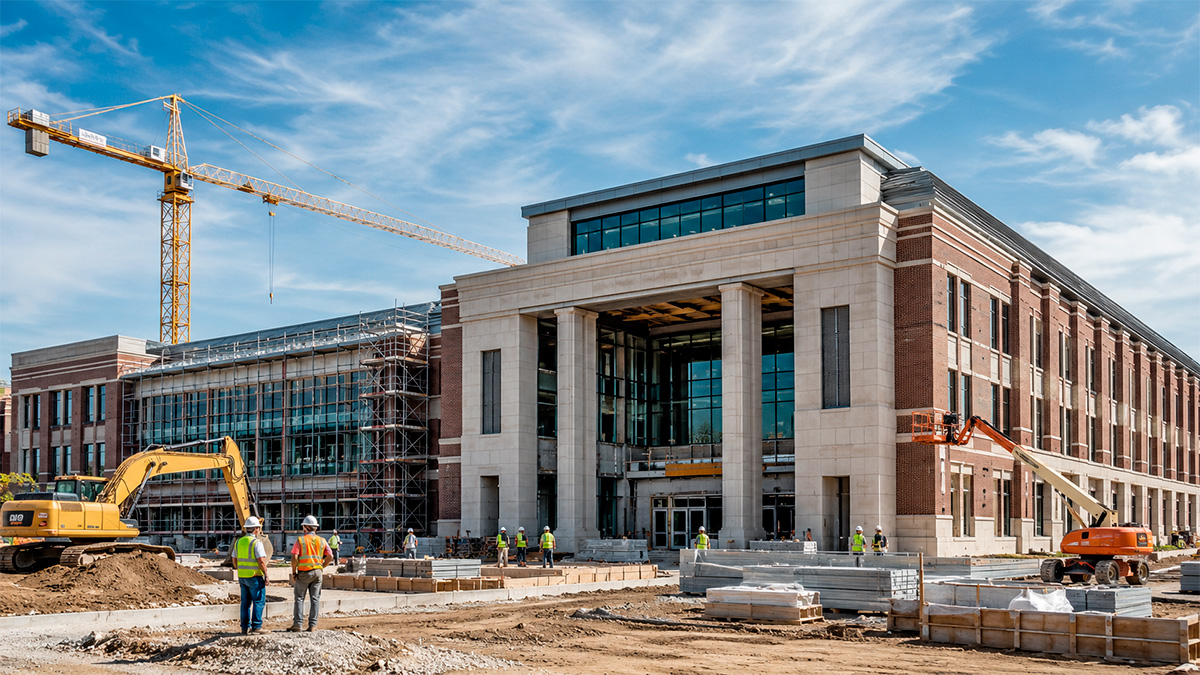
Institutional construction includes facilities built to serve communities, education, healthcare, religion, or government functions.
Examples include:
- Schools
- Universities
- Hospitals
- Libraries
- Government offices
- Courthouses
- Religious buildings
These projects often involve public funding, detailed procurement processes, and specialized building requirements that support long-term public use.
Because many institutional buildings serve large occupant loads or vulnerable populations, they frequently require enhanced planning for accessibility, fire protection, and operational continuity.
Industrial Construction Projects
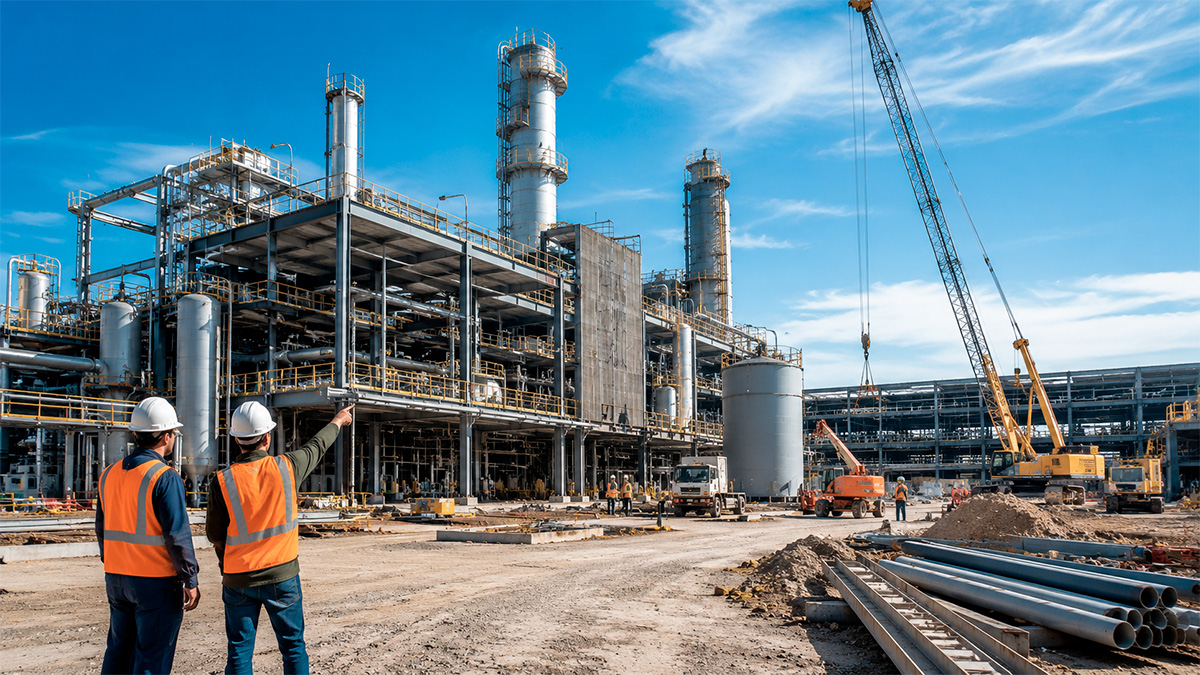
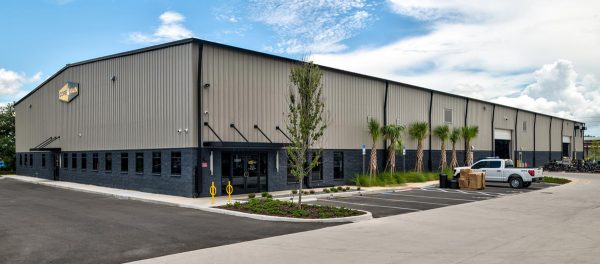
Industrial construction focuses on facilities that manufacture, process, assemble, or distribute products.
Typical projects include:
- Manufacturing plants
- Distribution centers
- Warehouses
- Food processing facilities
- Cold storage buildings
- Data centers
- Power generation facilities
Industrial buildings often contain specialized equipment, heavy mechanical systems, and complex utility infrastructure. As a result, planning usually begins long before construction starts to coordinate production requirements with building design.
Heavy Civil And Infrastructure Construction Projects
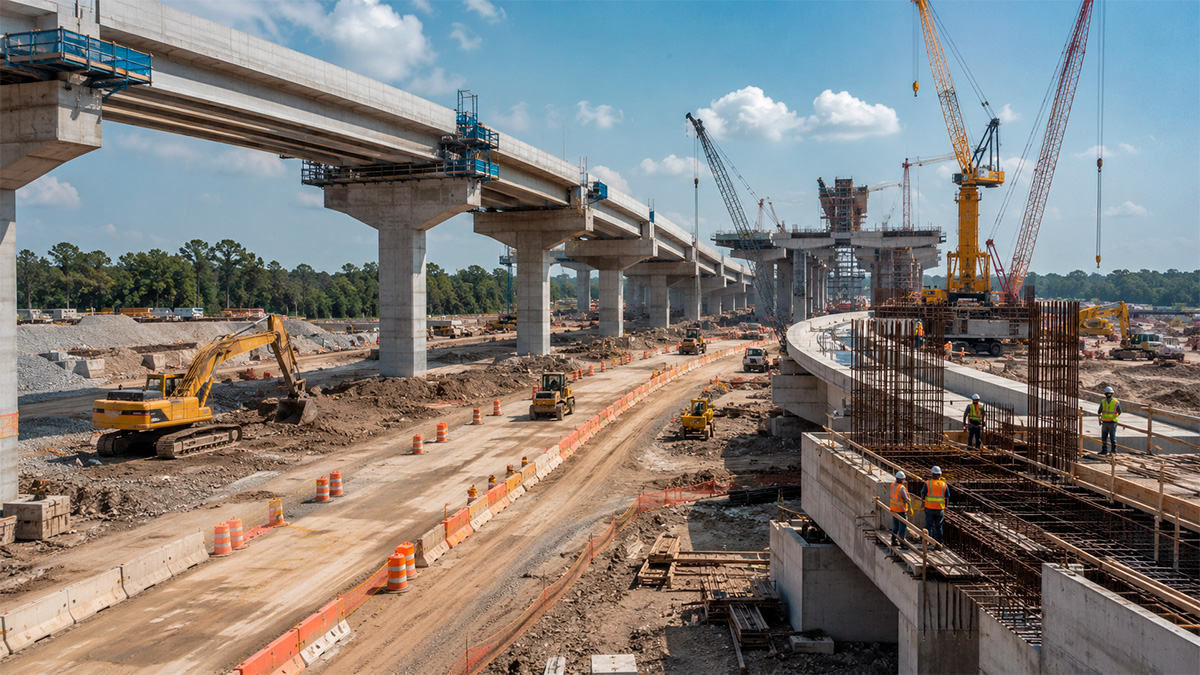
Heavy civil construction, often called infrastructure construction, focuses on large public works projects that support transportation, utilities, and essential public services. These projects are typically funded by federal, state, or local government agencies and require extensive engineering, environmental planning, and coordination.
Common examples include:
- Highways and roads
- Bridges
- Airports
- Rail systems
- Water and wastewater treatment facilities
- Stormwater management systems
- Utility infrastructure
In the construction industry, heavy civil work is often called horizontal construction because these projects extend across the landscape instead of rising vertically like buildings. Roads, bridges, railways, pipelines, and utility systems are all common examples of horizontal construction.
Unlike vertical building projects, heavy civil construction usually extends across large geographic areas and involves significant site preparation, earthmoving, grading, and utility work. These projects often require close collaboration among engineers, contractors, utility providers, and public agencies to minimize disruptions while maintaining public safety.
Because of their scale and complexity, heavy civil projects typically involve longer planning and construction schedules, multiple permitting agencies, and strict environmental and safety requirements.
Mixed-Use Construction Projects
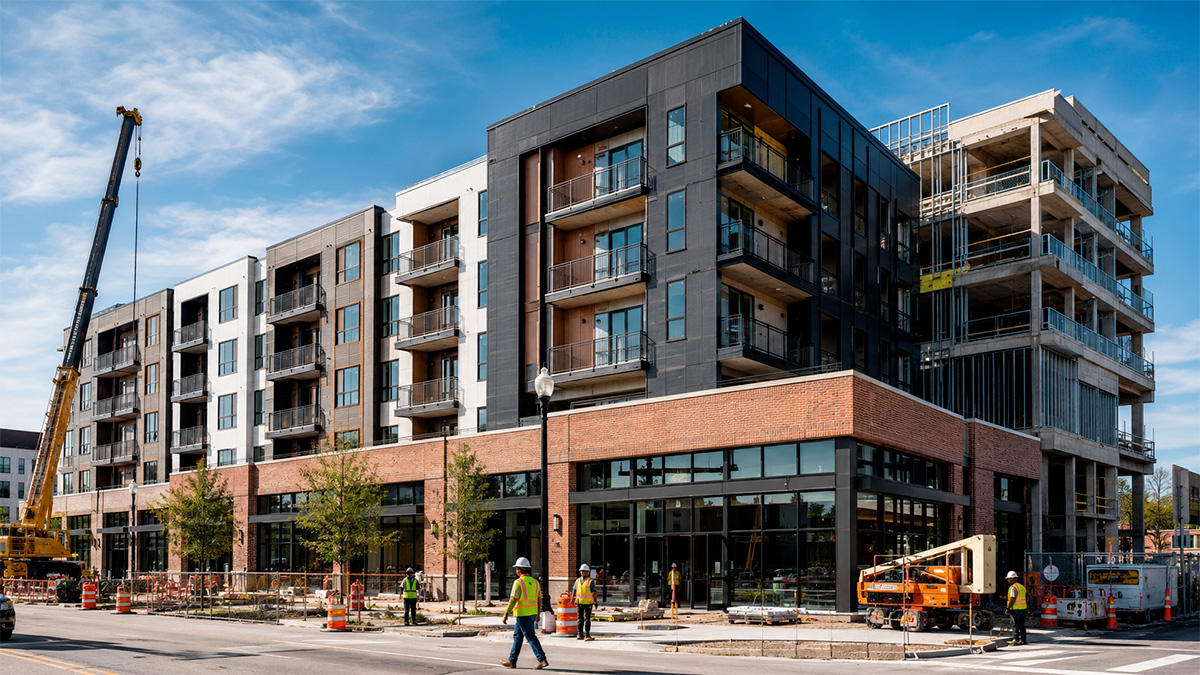
Mixed-use construction combines two or more property types within a single development.
A common example is a building with:
- Retail space on the first floor
- Office space on the middle floors
- Residential apartments above
Other developments may combine hotels, restaurants, entertainment venues, and office buildings within the same site.
Mixed-use developments have become increasingly popular because they maximize land use while creating walkable environments where people can live, work, shop, and dine in one location.
One of the biggest misconceptions we see is owners focusing on the building instead of the project scope. For example, a medical office can be a new construction project, a tenant improvement, or a renovation. Identifying the project type early helps establish the right budget, schedule, permitting strategy, and construction team before design begins.
Types of Commercial Construction Projects
Commercial construction projects can involve much more than building a new facility from the ground up. Depending on the owner’s goals, a project may include a new building, an expansion, a renovation, a tenant build-out, or converting an existing property for a new use. The examples below show the most common types of commercial construction work across industries such as office, retail, healthcare, hospitality, manufacturing, religious, and self-storage.
New Commercial Construction
New commercial construction involves building an entirely new facility on a vacant site or after demolishing an existing structure. Most projects begin with preconstruction planning and design, followed by permitting, site preparation, vertical construction, inspections, and final occupancy.
Common examples include:
- Office buildings
- Retail centers
- Hotels
- Manufacturing facilities
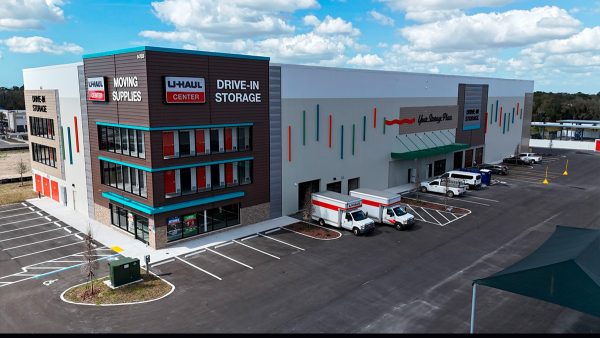
- Self-storage facilities
- Religious buildings
- Healthcare facilities
New construction offers the greatest design flexibility because every aspect of the building can be planned around the owner’s operational needs, future growth, and long-term goals.
Commercial Renovations And Remodeling
Renovation and remodeling projects improve an existing commercial building without constructing an entirely new facility. Owners often choose this approach to modernize aging spaces, improve efficiency, or support changing business needs.
Examples include:
- Office renovations
- Restaurant remodels
- Hotel upgrades
- Retail store renovations
- Healthcare facility improvements
- Church renovations
These projects often allow businesses to continue operating while work is completed in carefully planned phases.
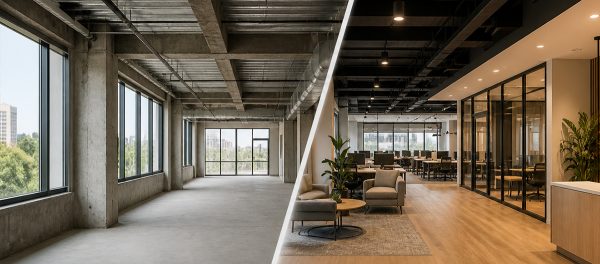
Tenant Improvements And Build-Outs
Tenant improvements, sometimes called commercial build-outs or fit-outs, customize an interior space for a specific tenant after the building shell has been completed.
Typical tenant improvements include:
- Professional offices
- Medical offices
- Retail stores
- Restaurants
- Financial institutions
- Fitness centers
These projects usually focus on interior partitions, finishes, lighting, mechanical systems, and specialty features needed for the tenant’s daily operations.
Commercial Additions And Expansions
Commercial additions increase the size or capacity of an existing building while allowing the owner to remain at the same location.
Common examples include:
- Warehouse expansions
- Manufacturing plant additions
- School classroom additions
- Church expansions
- Additional office space
- Restaurant dining room expansions
Expansions require careful planning to connect the new construction with the existing structure while minimizing disruptions to ongoing operations.
Adaptive Reuse And Building Conversions
Adaptive reuse transforms an existing building into a new type of commercial property instead of constructing a new facility. This approach can reduce demolition waste while giving older buildings a new purpose.
Examples include:
- Warehouse to office conversion
- Retail space converted into a medical clinic
- Historic building renovations
- Office building converted into mixed-use space
- Industrial building converted into self-storage
These projects often require creative design solutions because the existing building must be updated to meet the operational and code requirements of its new use.
Adaptive reuse projects often look simpler than new construction, but they’re frequently more complex. Existing structural conditions, outdated utilities, and current building code requirements can create challenges that aren’t discovered until design or construction begins. That’s why early evaluations and preconstruction planning are especially valuable.
Specialty Commercial Projects
Some commercial projects require specialized planning because of their equipment, operational needs, or regulatory requirements.
Examples include:
- Automotive dealerships
- Data centers
- Cold storage facilities
- Laboratories
- Manufacturing plants
- Distribution centers
These projects often involve complex mechanical, electrical, plumbing, or process systems that require close coordination throughout the design and construction phases.
At AJ Construction, we’ve completed commercial projects across a wide range of industries, including office, healthcare, hospitality, manufacturing, industrial, religious, automotive, retail, and self-storage facilities. Although every project is different, they all begin with understanding the owner’s goals and selecting the right construction approach before work begins.
What Are the Types of Construction Sites
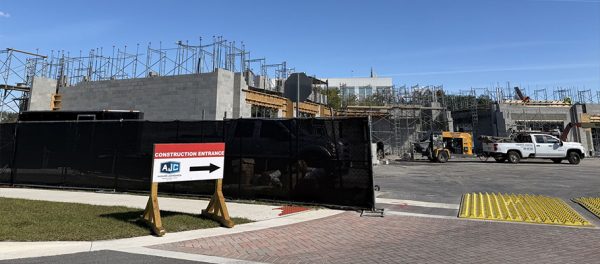
Construction sites are commonly described by the type of project being built. The most common construction site categories are residential, commercial, institutional, industrial, heavy civil, and mixed-use. Each type has different site logistics, equipment, workforce requirements, and safety considerations.
| Construction Site Type | Typical Projects | Primary Site Characteristics |
|---|---|---|
| Residential (low-rise) | Single-family homes, townhomes, duplexes | Smaller sites, lighter equipment, shorter schedules (often 4 to 8 months) |
| Residential (multifamily) | Apartment complexes, condominiums | Larger sites, cranes or heavy lifting equipment, longer schedules (often 12 to 24 months) |
| Commercial | Office buildings, retail centers, hotels, restaurants | Multiple trades, active business districts, complex coordination |
| Institutional | Schools, hospitals, government buildings, libraries | Public access considerations, phased construction, specialized systems |
| Industrial | Manufacturing plants, warehouses, distribution centers | Heavy equipment, large laydown areas, process utilities |
| Heavy Civil | Highways, bridges, airports, water treatment facilities | Large geographic areas, earthmoving, utility coordination |
| Mixed-Use | Developments combining retail, offices, residential, or hospitality | Multiple occupancies, phased construction, integrated infrastructure |
Although every construction site is unique, the type of project largely determines how the site is planned and managed. Factors such as equipment, workforce size, safety planning, site logistics, and construction sequencing all vary depending on the type of project being built.
How To Identify Your Construction Project Type
The easiest way to identify your construction project type is to start by asking what work is being performed. In many cases, the building itself doesn’t determine the project type. Instead, the scope of work drives the classification.
Use the questions below as a simple decision framework.
| If Your Project Involves… | Your Project Is Likely… |
|---|---|
| Constructing a brand-new building on a vacant site | New Commercial Construction |
| Expanding an existing building | Commercial Addition or Expansion |
| Updating an existing space without increasing its size | Commercial Renovation or Remodeling |
| Customizing space for a new tenant | Tenant Improvement (Build-Out) |
| Converting a building to a different use | Adaptive Reuse or Building Conversion |
| Roads, bridges, utilities, or public infrastructure | Heavy Civil Construction |
If you’re still unsure, consider these additional questions:
- Are you building a completely new facility or improving an existing one?
- Will the building continue serving the same purpose, or will its use change?
- Will construction take place while the building remains occupied?
- Does the project require additional square footage?
- Is the work focused primarily on the building, or on public infrastructure?
Answering these questions early helps owners communicate more effectively with architects, engineers, contractors, and permitting agencies. It also makes it easier to establish realistic budgets, schedules, and project expectations before design begins.
If you’re unsure how to classify your project, don’t worry. Many owners describe their project by the type of building rather than the type of work being performed. At Aj Construction, during preconstruction, we help clients determine whether they’re planning a new construction project, renovation, expansion, tenant improvement, or adaptive reuse before design begins.
Why Project Classification Matters
Knowing your project type isn’t just about terminology. It helps establish the right expectations from the beginning and influences many of the decisions you’ll make throughout planning and construction.
Permitting And Approvals
Different project types often require different permitting pathways and agency reviews. For example, a tenant improvement may have a much simpler review process than constructing a new commercial building or expanding an existing facility.
Understanding the project scope early allows the design and construction team to identify required permits, coordinate with the appropriate authorities, and reduce the risk of delays.
Budget And Financing
Project type also affects how construction costs are estimated and managed.
For example:
- New construction typically includes site development and utility infrastructure.
- Renovations may uncover unforeseen conditions inside an existing building.
- Adaptive reuse projects often require upgrades to bring older buildings into compliance with current codes.
- Tenant improvements usually focus on interior finishes and building systems rather than the structural shell.
Recognizing these differences helps owners build more accurate budgets and prepare appropriate contingency funds.
Contractor Selection
Not every contractor specializes in every type of construction project.
A company that primarily builds custom homes may lack the experience needed for a healthcare renovation, a manufacturing expansion, or an occupied office remodel. Likewise, heavy civil contractors focus on infrastructure projects rather than vertical commercial buildings.
Choosing a contractor with experience in your specific project type helps reduce risk, improve coordination, and deliver a smoother construction process from preconstruction through project completion.
After decades of commercial construction projects, one lesson remains consistent: contractors who regularly build your type of project understand the risks before they become problems. Whether it’s maintaining operations during a renovation, coordinating specialized equipment in a manufacturing facility, or planning phased construction for an occupied building, experience can make a measurable difference in cost, schedule, and overall project success.
Not sure which delivery method or contractor is right for your project? Our guide on What Is Commercial Construction? explains how commercial projects are planned, managed, and delivered from concept to completion, helping you understand what to expect before construction begins.
Common Misconceptions About Construction Project Types
Construction project types are often confused with building types, construction methods, or building code classifications. While these concepts are related, they answer different questions and should not be used interchangeably.
Here are some of the most common misconceptions we hear from owners and developers.
- Every commercial project is new construction. Many commercial projects involve renovating, expanding, or repurposing an existing building rather than building from the ground up.
- Project type and building type are the same thing. They’re not. A healthcare facility, for example, can be part of a new construction project, a renovation, a tenant improvement, or an adaptive reuse project.
- Construction methods define the project type. Methods such as tilt-up concrete, structural steel, or pre-engineered metal buildings describe how a building is constructed, not what type of project it is.
- Every project follows the same process. While most projects move through planning, design, permitting, construction, inspections, and occupancy, the level of complexity varies significantly depending on the project scope.
Understanding these differences helps owners communicate more effectively with architects, engineers, contractors, and permitting agencies from the very beginning.
Construction Project Types FAQs
Construction projects can be classified in different ways, which often leads to confusion. These frequently asked questions provide quick answers to help you better understand the most common project categories and how they apply to real-world construction projects.
What Are The Different Types Of Construction Projects?
Construction projects are generally divided into six primary categories based on their purpose and end use: residential, commercial, institutional, industrial, heavy civil, and mixed-use. Within these categories, projects may involve new construction, renovations, additions, tenant improvements, or adaptive reuse.
What Are The 6 Types Of Construction Projects?
The six primary types of construction projects are residential, commercial, institutional, industrial, heavy civil, and mixed-use. Each category serves a different purpose and has its own planning process, permitting requirements, design priorities, and construction challenges.
- Residential
- Commercial
- Institutional
- Industrial
- Heavy Civil
- Mixed-Use
Each category serves a different purpose and has its own planning, permitting, design, and construction requirements.
What Are The Four Types Of Construction Projects?
Some organizations group construction projects into four broad categories: residential, commercial, industrial, and heavy civil. However, many construction professionals also recognize institutional and mixed-use projects as separate categories because they have distinct planning, operational, and construction requirements.
| Four Broad Categories | Examples |
|---|---|
| Residential | Homes, apartments |
| Commercial | Offices, retail, hotels |
| Industrial | Manufacturing plants, warehouses |
| Heavy Civil | Roads, bridges, utilities |
However, many industry professionals also recognize institutional and mixed-use as distinct project categories because they have unique planning, operational, and construction requirements.
Depending on the source, you may see either a four-category or six-category framework. Both are commonly used, but the six-category approach provides a more detailed classification.
Conclusion
Construction projects come in many forms, but they all begin with understanding the scope of work. Whether you’re planning a new commercial building, expanding an existing facility, renovating a workspace, or converting a property for a new use, identifying the right project type helps establish realistic expectations from day one.
At AJ Construction, we’ve helped owners successfully deliver projects across numerous commercial sectors for more than five decades. While every project has unique goals and challenges, successful outcomes almost always begin with careful planning, open communication, and choosing the right construction approach from the start.
Planning a commercial construction project in Orlando, Florida?
Aagaard-Juergensen Construction (AJC) is a full-service, award-winning commercial construction company serving Orlando and Central Florida since 1970. From new construction and renovations to tenant improvements and expansions, our experienced team is here to help you understand the process, explore your options, and choose the right path for your project goals.
Have questions or need guidance? Contact AJC today by filling out our contact form or calling 407.298.1550. We’re ready to answer your questions and help you take the next step with confidence.
References:
These sources represent the authoritative industry guidance, building code references, and professional standards used to explain construction project classifications, commercial construction practices, and project planning in the United States.
International Code Council. (2024).
International Building Code (IBC).
https://codes.iccsafe.org/content/IBC2024P1
Occupational Safety and Health Administration. (n.d.).
Construction Industry.
U.S. Department of Labor.
https://www.osha.gov/construction
Associated General Contractors of America. (n.d.).
Industry Priorities and Construction Resources.
https://www.agc.org/
National Institute of Building Sciences. (n.d.).
Whole Building Design Guide (WBDG).
https://www.wbdg.org/
General Services Administration. (2021).
Facilities Standards for the Public Buildings Service (P100).
U.S. General Services Administration.
https://www.gsa.gov/real-estate/design-and-construction/engineering/facilities-standards-for-the-public-buildings-service-p100
Federal Highway Administration. (n.d.).
Infrastructure and Highway Programs.
U.S. Department of Transportation.
https://highways.dot.gov/
U.S. Census Bureau. (n.d.).
Construction Statistics.
https://www.census.gov/construction/
National Association of Home Builders. (n.d.).
Residential Construction Resources.
https://www.nahb.org/